Travel Light, Shoot Long
One camera, two lenses, and a small tripod travel best. Add ND and polarizer, spare cards, rain cover, and a headlamp with red mode. Keep snacks reachable. Light feet on cobbles reduce fatigue, leaving attention free for sudden birds, shifting clouds, and unrepeatable reflections sliding past.
Towpath Etiquette with Cyclists and Boaters
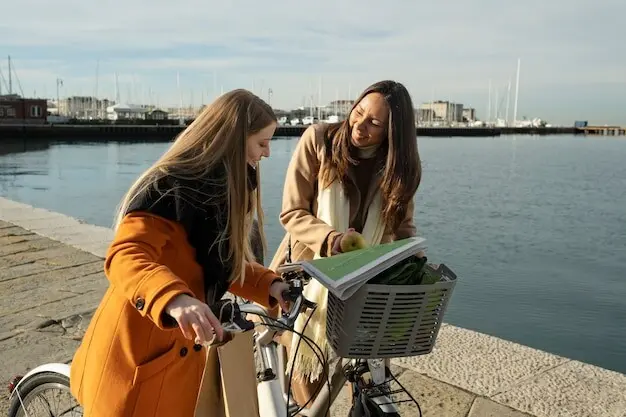
Share the path with patience. Walk single file when bicycles ring, avoid blocking locks during operations, and step wide for ropes. Ask boaters before photographing close details. Friendly conversation often opens doors to portraits, interiors, and stories that add warmth and authenticity to documentary sequences.
Staying Safe After Sunset
After sunset, keep to lit sections, stay alert near edges, and avoid leaning over dark water with heavy gear. Consider a reflective strap and a buddy. Tell someone your route, trust your instincts, and remember that tomorrow’s light rewards patience more than any risky shortcut ever could.